Showing posts with label historical fiction. Show all posts

Saturday, July 14, 2018

Summer Book Bingeing Part I: Weird books

Averaging a book a day isn't normal...and neither are these books!

If books were chocolate cake, I'd weigh about 1000 pounds by now, and with all my reading, I've been a bit lax about posting. But given all I've read, I think I'm going to separate my posts by type...and see what arises!

I guess I've been really inspired by following another blogger Pernille Ripp. She is a passionate reader who not only has great advice for teachers, but also great book recommendations based on the reading she and her students do. Given many of the books are YA, which tend to be a bit shorter than other books, I guess it is no surprise that at this point I've read about 30 books this summer...with more to come!
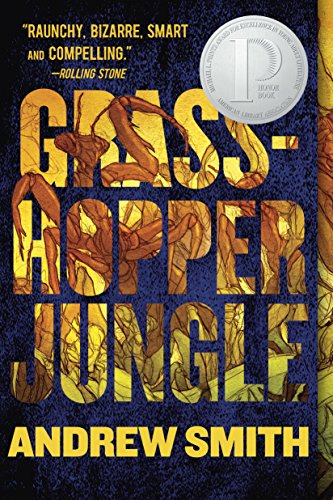
I think the book that most surprised me so far this summer was Grasshopper Jungle, which was an award-winning book mentioned on Ripp's blog as something the boys in her class loved. It was WEIRD. Now, keep in mind, I didn't bother reading the cover, and I should have, because the second word in the front cover blurb is "bizarre". I was expecting a basic coming of age story...not something science fictionish, but then again, I loved the relationships between the main characters, the honest look at love and sex, and, of course, the banter. The dialogue was so honest, crisp, and funny that I could entirely imagine this as a movie (though because of the "raunchy" element, I'm not sure it would ever pass the PG-13 test for most teen movies...and the special effects would have to be off the charts). [BTW--I Googled it, and apparently they ARE making a movie out of this!]

I also think that this is a book not just for boys, but for anyone who appreciates quirky things, like second-hand stores and adventures to climb up on a roof to retrieve stolen shoes and skateboards...and quirkier things, like genetically altered killer mutants. I don't want to spoil the ending, but I can honestly say I didn't quite expect it--or maybe I didn't want to. While it got a bit cliche toward the end (I could imagine Will Smith and Jeff Goldbloom in Independence Day as the boys bantered and rode together in their car), I appreciated the authenticity of the narrator, who was lovably immature and just the right amount of confused to strike me as a typical--and anything but typical--teenage boy.

Speaking of teen boy narrators, I really liked Challenger Deep by award-winning author Neal Shusterman. I had no idea what to expect from this book, but I know of the author, so when this audiobook came up as available on my library app, I downloaded first and asked questions later.
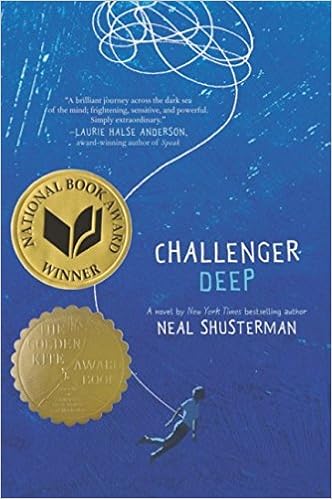
I'll admit that it was a bit hard to follow at first, but that was kind of the point, as the narrator isn't fully aware of what is going on. However, through flashbacks, we quickly catch up to what led to Caden's present day problems. In a sense, the story is told in two settings: the real word and the world of a ship at sea, headed for the Marianas Trench and the deepest point on earth. The story vacillates between these settings, and I loved the way everything begins to come together and make sense for the reader as it begins to make sense for the narrator. I don't want to spoil what happens, but you can probably guess that something isn't mentally quite right for the narrator, and so this book provides a powerful approximation of mental illness. As Laurie Halse Anderson (author of Speak) said, this book is "a brilliant journey across the dark sea of the mind."

Earlier in the year I read another of Shusterman's books Bruiser, which is told through the POV of
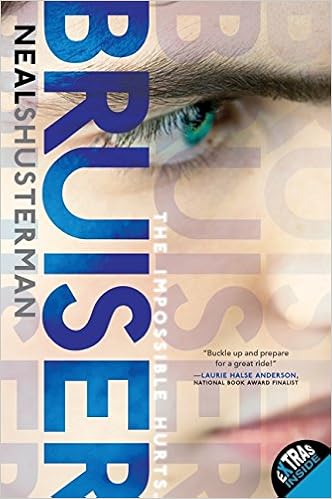
Tennyson and Bronte, twins in a family that is falling apart because of their parents' infidelity, and the POV of Brewster, whom the student body call Bruiser, on account of his enormity. The teens seem to be worlds apart, with the twins living a middle class existence with professor parents, while Bruiser lives in a run-down house with his drunk uncle and accident-prone little brother after his mother's death. However, when they make an effort to get to know each other, the teens are surprised by what they find (I won't spoil the twist). Like Challenger Deep, this book also looked at big questions through a somewhat fantastical lens, questions such as "To what extent will be put ourselves through pain for those we love?" Although the end was a bit disappointing, I loved the premise, and how all of the characters had to explore questions of love, selfishness, and selflessness. I also liked that the surreal elements of the book didn't feel far-fetched, making the premise less of a distraction and more of a means to explore these very human questions and issues that we deal with daily in our friendships, families, and romantic relationships.

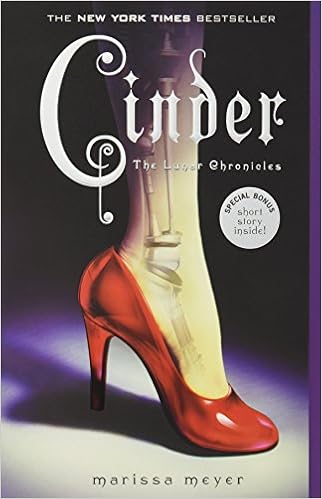
I also read several obviously fantasy/sci-fi books. One is a new classic, Cinder by Marissa Meyer, which is a futuristic take on the classic Cinderalla story that several former students have read and loved. The premise that Cinder is a cyborg who is treated as less than human by her stepmother, stepsister (the other stepsister is nice), and society raises questions about how we treat "others" today: what makes us view people as less-than-human? What about race and class really matters? This is exacerbated when she meets the teen idol prince of the realm (Earth is now made of big territories, and this one seems to be formed out of southeast Asia), who hears of Cinder's skill as a mechanic and enlists her help with an andriod. Because the prince doesn't realize Cinder is a cyborg, we get to indulge in these questions of who has value--and wonder if the prince will cast her aside if he realizes what she really is.

Also adding to the value of this book is the plague that is ravaging
the world. The plague is obviously reminiscent of the Bubonic plague of the middle ages, with its deadly, skin-color-changing lesions, mysterious origins, and hard-to-predict path through the population. As cyborgs are used as guinea-pigs to look for a cure, it becomes clear that this book is looking not at the future, but at the present, and what extent we will go to if such a pandemic were to arise today. (And there always seems to be such a threat...whether we are talking ebola in Africa or swine flu.) While the addition of the mind-controlling moon people (called Lunars) seems weird at first, the author brings together the many threads of this story into a unique take on the Cinderella story that asks a lot of important questions...but doesn't provide as many answers (as you will have to read parts 2-4 of the Lunar Chronicles to find out what happens next). I liked the empowered Cinderella, and I'm a sucker for a new take on an old story, especially when it avoids plagiarism and uses the old story to provide enough predictability to add original plot, but the audiobook didn't have as much character as I would have liked. Perhaps the reader was afraid of being too melodramatic, but I think that in a story like this, a little drama is to be expected!

Reimagining is also present in one of the best YA books of 2018 (so far) Dread Nation by Justina Ireland. Written in the tradition of Pride and Prejudice and Zombies, which imagines what the classic love story of Elizabeth Bennett and Mr. Darcy would have looked like if zombies were involved, this book imagines what would have happened had the dead risen during the Civil War. However this is a holy original story and utilizes an alternate timeline, very much like the book and Amazon series The Man in the High Castle, what would have happened had the Axis powers won World War II.
The story is told from the perspective of Jane, who is it a combat school studying to be a lady's attendant, a personal bodyguard for rich white women against the undead. As a woman of color, Jane was taken from her family as a teenager (which is the law) to train to fight the undead; while the North still won the war, the reconstruction never seemed to have taken hold in the South in this reality, so people of color (Native Americans included) are treated as second-class citizens...if not as slaves in practice (just not in name).

Fortunately for Jane (kind of....there's definite sarcasm in this, and in Jane's voice, which I love), she ends up at the best combat school for ladies, which should ensure that she receives a well-paying post should her family farm have fallen to the undead in her absence. And Jane is at the top of her class...in more ways than one. You see, her mother was the wife of a Southern Major, and so Jane is not only raised as part of a plantation family, but also as a "bastard" of some black man. (Which almost gets her killed many times.) While this means that she is treated better than much of the help on the farm--who are treated very well, given the standards of the day--she is not treated well by society. In fact, her mother hides the fact that Jane is her child from society and her husband, who was away at the time of her birth. Jane uses these terrible prejudices to her advantage throughout the story, being able to trick those who would stand in her way by feigning ignorance and illiteracy, and often this helps her during her trials.

I loved this story, which I don't want to spoil, which is part mystery, part action-adventure, part historical-fiction, and which is incredibly powerful today. I loved the inclusion of her enemy-turned friend Katherine, who could pass as white if people didn't know better, as a direct way to explore the ridiculousness of the prejudices that guide post-Civil war society. And this book isn't just about race--it's also, beneath the surface, very much about class, and how the rich make the rules (if they are white, of course). Behind the very engaging story of Jane's quest to help her friend find out what happened to his sister are the simmering tensions among the rich of Baltimore and their "help", the scientists and those who would abuse their innovations, and those who believe in equality vs. those who believe in "survival" (which seems to be a euphemism for racists, like the white power movement). And all of this is just the beginning!

There are so many twists and turns in this story that I hesitate to provide too much plot, but I loved that each time I thought I knew where the story would go next, I found a new surprise (that in retrospect completely made sense with prior information). The ending, which I won't give away, definitely leaves room for other books in the series, and from what I can see on Goodreads, there appear to be more books in the works! If you like The Walking Dead and/or historical fiction or following the #blacklivesmatter movement, you will love this book. (And if you don't like those things, you might still like following the adventures of this Marvel-esque superhero woman who kicks booty in so many ways!)
 
I have so many more books to share, some of which could fall under this heading, but I will save those for a special fantasy post :)
 
Happy Reading!

Monday, September 25, 2017

How many books can you read with a new baby?

A lot.

When you have a Kindle app that allows you to use a black screen and white text in low light, you can turn awful nights up with the baby into secret read-a-thons.

Thank goodness for my local library's participation in Overdrive, which allows me to download (free, borrowed) e-books. Here is a short list of books I e-read since Fiona's birth, up through the late part of summer (hey, I often skipped around). I'm happy to discuss ANY of them beyond my crude rating:

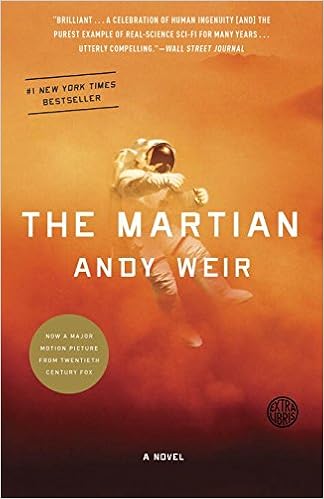
The Martian by Andy Weir
Super-funny and suspenseful sci-fi adventure. I bet the movie is awesome.

Dead Wake by Erik Larson
I never knew it could take so long for a damn boat to sink. Some facts were cool, but otherwise my nonfavorite nonfiction.

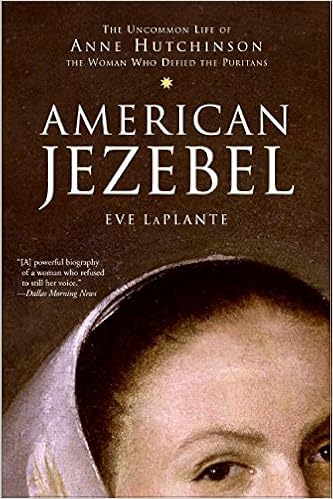
American Jezebel by Eve LaPlante
Nonfiction: The trial transcripts were the best part. Anne Hutchinson kicked butt. The author less so.

Irena's Children by Tilar J. Mazzeo
Totally true story. Called the female Oskar Schindler, but she was much more of a boss. She didn't have money, and she withstood torture to protect her children and families from the Nazis. Then the Nazis tried to blow up Warsaw. Very cool, well-researched story.

One Thousand White Women by Jim Fergus
Such a guilty pleasure novel. This is based on a real offer to make peace, during which a Native Chief offered to trade horses for 1000 white women (as wives) to help bring a new generation peacefully into the white man's world. What if some crazy women really did it? I bet it would go down like this. (Oh, and there's a sequel coming soon!!)

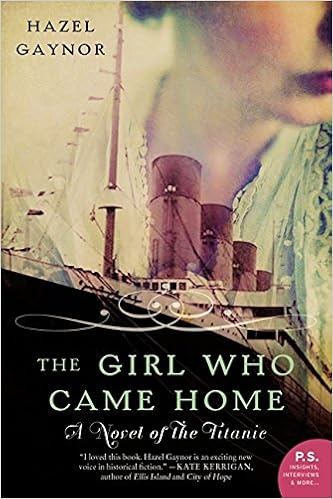
The Girl Who Came Home: A Novel of the Titanic by Hazel Ganor
Loved how the narratives came together. I could see a movie version of this someday. And who doesn't like Titanic stories?

The Lunching: The Epic Courtroom Battle that Brought Down the Klan by Laurence Leamer
I learned a lot about the Klan, and how hard it is to overcome racism in America.

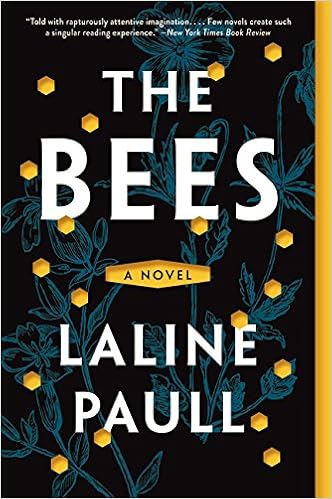
The Bees by Laline Paull
This was sold to me as a dystopia...and it is, but it is LITERALLY about bees. I'd love a science teacher to weigh in on the science in the book (fictionalized, as the bees are sentient), but other than that, I was a little bugged out.

Last Train to Istanbul by Ayse Kulin
A holocaust novel with a unique twist, as a Turkish family deals with prejudice inside their family and country while trying to save Jews from Hitler's reach. (Rumors there is a movie...?)

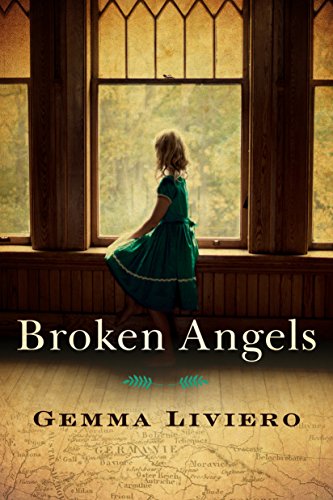
Broken Angels by Gemma Liviero
A novel that weaves together the story of a Jewish woman, reluctant Nazi, and Polish child. Very cool.

Elsewhere by Richard Russo
The author's memoir focused on his mother, who you get the sense was both wonderful and not quite right....who'da thought a Pulitzer winner comes from such interesting people ;)

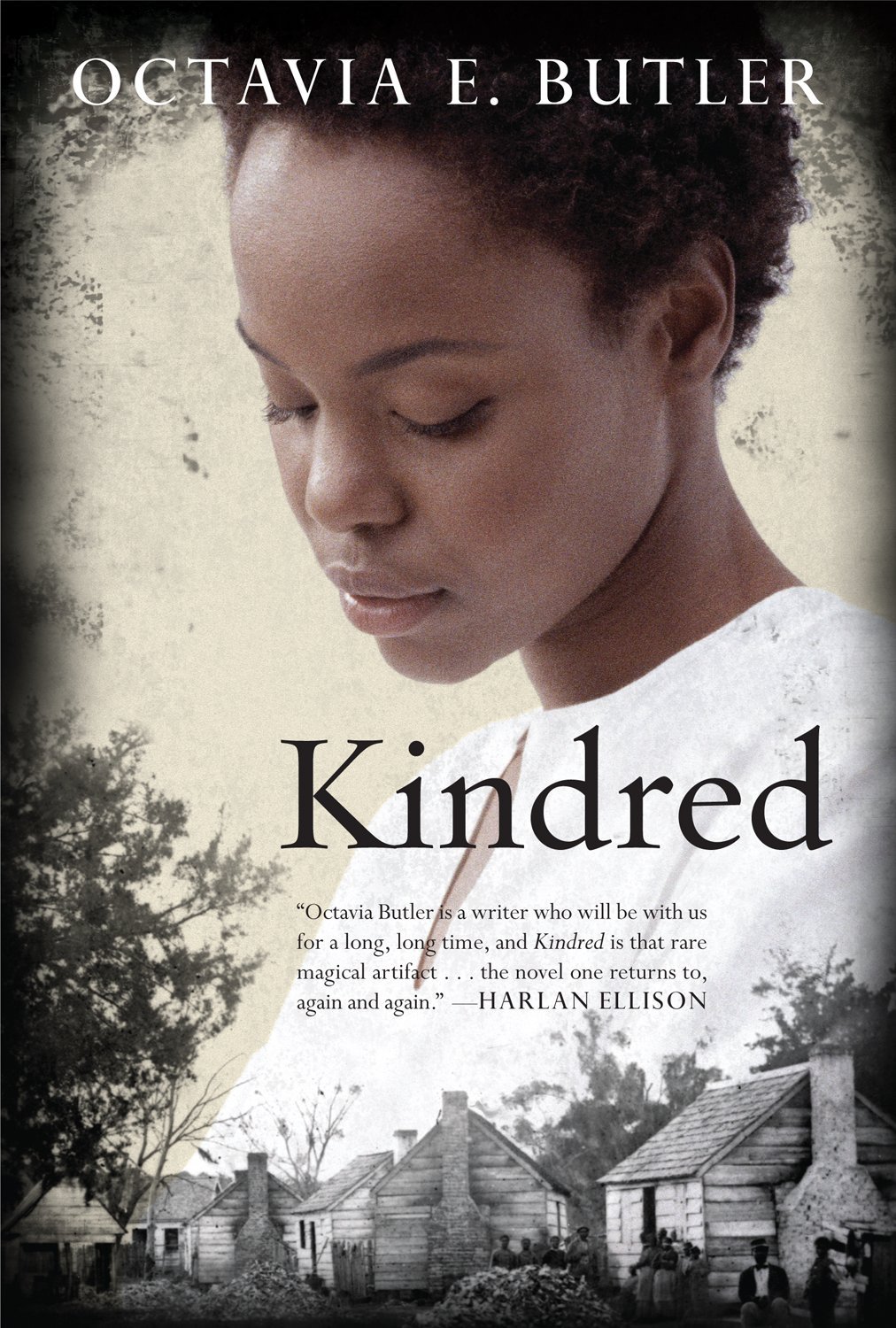
Kindred by Octavia Butler
Sci-fi time traveler meets Roots. How would a woman of the 1970s handle going back to slave-state Maryland to save her white slave-owning ancestor? This book offers no easy answers. Oh, and that mystery of how her arm gets stuck in the wall? SOOO cool, and it came with a critical essay at the end that made me want to reread the whole novel to appreciate it even more.
Freakonomics by Steven B. Levitt & Stephen J. Dubner
LOVED this book. You will never look at data the same way!

SuperFreakonomics by Steven B. Levitt & Stephen J. Dubner
LOVED this book. Where else will you find out how a street prostitute is like a mall Santa?

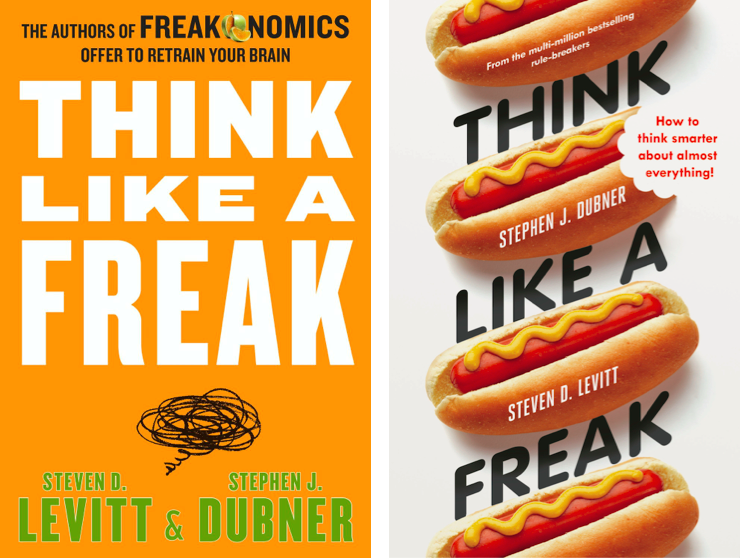
Think Like a Freak  by Steven B. Levitt & Stephen J. Dubner
 Can you tell I loved the series so much that I gobbled all three of these?


Happy reading!

EDIT: I completely forgot to include the hard copy books I managed to read!
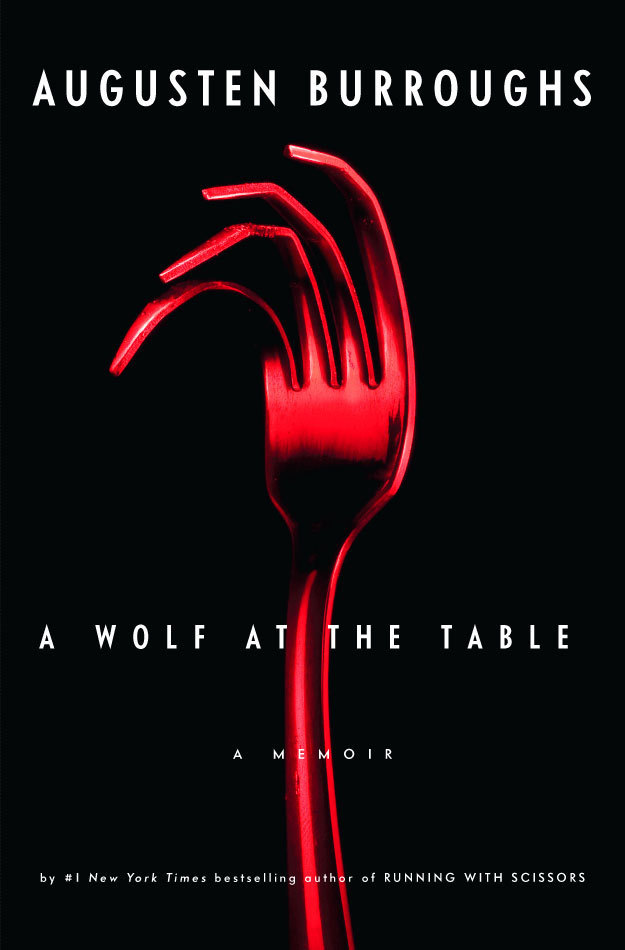
A Wolf at the Table: A Memoir of My Father by Augusten Burroughs
Not as good as Running with Scissors, but this is an interesting story of growing up with a (likely sociopathic) distant father. As a teacher, I squirmed when I read about how his mother took him out of school to hide from his father on several occasions, and I worry about how many stories that might require similar intervention are likewise hidden behind seemingly free-spirited parents.
I also wondered at the relationship between Burroughs' father and mother. Granted, much of their origin story is second-hand and skewed through the eyes of Augusten, but it made me wonder how someone could be so deceived as to the nature of another. If you like watching Criminal Minds, you might find this story psychologically intriguing.
 
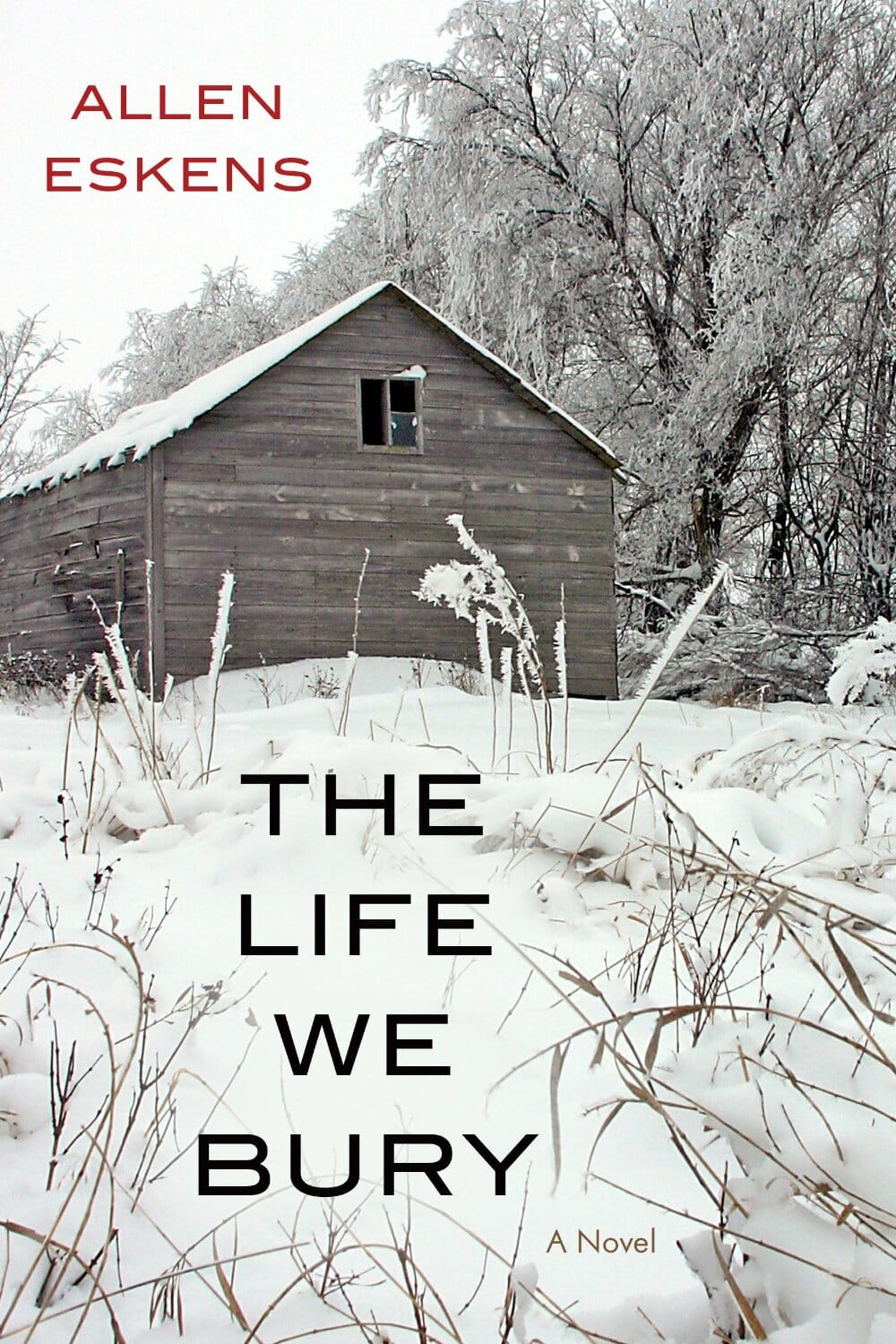
The Life We Bury by Allen Eskens
I'm not a big "mystery" reader--in the sense of a genre-specific book--but I really liked this story of a college kid who procrastinates until he goes to a nursing home out of desperation to find an interview subject--and finds more than he bargained for. The characters and conflicts felt real, and even the protagonist's quest to find out the truth felt authentic (until about 3/4 of the way through the book, by which point I didn't care). Joe Talbert is a protagonist you can't help but root for, especially with his troubled family life, and Carl Iverson is a fascinating character of focus, accused of a horrible murder and claiming he wants to tell "the truth"--which isn't a simple case of innocent or guilty-- before the end of his life.
And, unlike many mysteries/thrillers, this story wasn't super predictable (until the very end, but again, I didn't care by then). This was a great beach read, but also an inspiring read in general.

Saturday, September 23, 2017

Reading during the school year (part 2)

So, after the birth of my daughter this May, it has become much more challenging to post regularly about my reading, though my reading has increased, as I spend a lot of time in the middle of the night reading on the Kindle app  on my phone. It took a long time to finish my first post about reading during the school year, because it was hard to get to the computer. Fortunately, I figured out how to install the Blogger app on my phone, and use talk to text to accomplish more. So please, enjoy these abbreviated reviews, and excuse any errors that I did not catch when proofreading my talk-to-text!

It's Kind of a Funny Story by Ned Vizzini


Spoiler alert: this isn't a very funny story. Well, the voice is somewhat funny, but the topic of major depression and suicide is not. In many ways, the protagonist of this story is very relatable, and his decision to seek help rather than kill himself is commendable--but instead of reading like an after-school special, it feels authentic and realistically positive.  I still haven't seen the movie version of this.

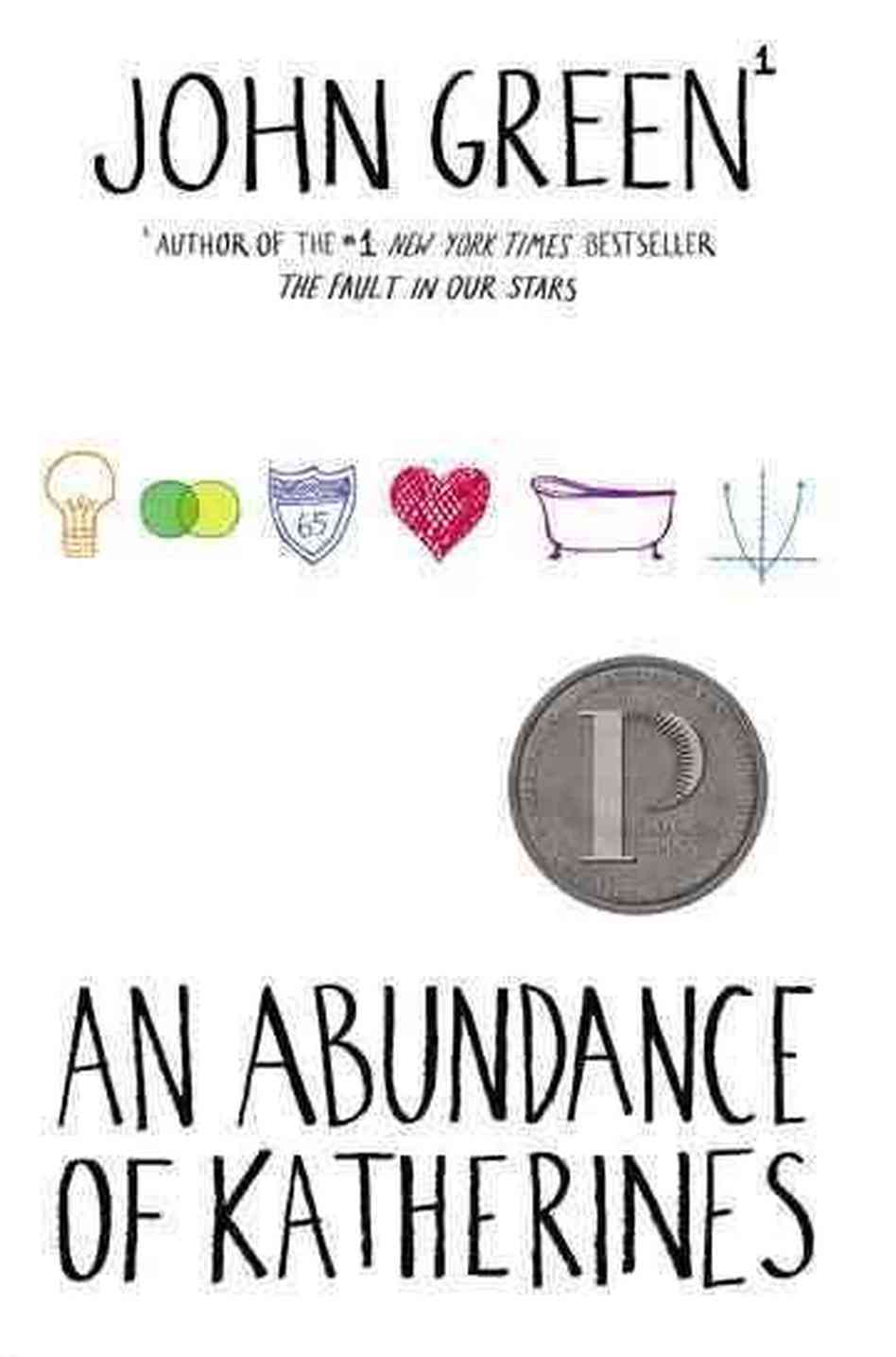
An Abundance of Katherines by John Green 

I didn't like this as much as Paper Towns or Looking for Alaska, but I thought the premise of a boy genius and his friend roadtripping to get over a girl and solve the question of why people get dumped.... in the form of a complex math equation...was interesting. I had issues with the execution, with an all too obvious love story and the double numbering of Katherine 1 (though my thesis is that JG had an obsession with the K19 movie and felt the need to have her act as the "widowmaker.") The morals of the story are a bit oversimplified too, but the little quirks along the way (like the focus on a fake grave) keep it interesting.  If you are John Green fan, you won't be disappointed. 

The Perks of Being a Wallflower by Stephen Chbosky
I read this SOOO long ago, that I didn't remember it, but it was interesting to see how this book has held up to the passage of time. I remember this story being so controversial because of the discussions of sex and drugs, but the drugs remain as unappealing as ever, and the story of people who are closeted in so many ways works even though mix tapes are now Pandora stations. This story was emo before emo, but the teenager feeling like an outsider (and finding a niche) is a cliche only because it is so true. I also really didn't get the ending when I read this as a teen, which I suppose is positive in that I didn't have the knowledge to realize what happened to the protagonist. I also haven't seen this movie, but now I'm really curious to see how it updated the story and handled the sensitive topics.
The Underground Railroad by

Winner of countless awards, this book was consumed immediately before, during (the nurses laughed at me for sneaking in reading), and after the birth of my daughter Fiona. It was raw...so raw it made me think for a moment that the railroad was real (as it is depicted in the novel)! But of course, after a long discussion with the wise Mrs. Keane, during which we discussed interviews with the author and the symbolism of an actual underground railroad, I've found I have more to think about than to say (the mark of a good novel!) Anyway, it provides a brutal depiction of slavery and a hopefulness that, well,...is hard to let go of, even when the author asserts one must.

Okay, so that's what I read during the school year, and while I read SOO much more over the summer, I think I only have time to post about one book before I have to go back to tending small children.

Enjoy!

Thursday, June 1, 2017

Reading during the school year... (Part 1)

To kick off the summer, I thought I would post about some books I read over the course of the school year that stuck with me.

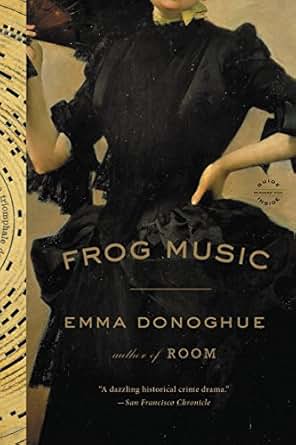
Over Thanksgiving break, I read Emma Donahue's Frog Music. Having read Room (now a major motion picture) several years ago and crying through it (yes, I have tear ducts), I was excited to read Donahue's follow-up.

While I was ready for realistic fiction, I had forgotten that this novel was historical fiction--and, in fact, very well-researched historical fiction based on a true story!

The Washington Post review by Ron Charles does a great justice to the book, but it dances around some of the graphic material....and this is not for those who feel they can't handle mature content (it is about a prostitute...a real one, not a Hollywood glamorization). Looking at this novel from a feminist perspective is interesting, as it seems in the beginning that Blanche is an empowered woman, only to see how impossible empowerment was for women at that time, given the constraints on what they could wear and even what they could own (for, if a woman was married, all that she had automatically became her husband's!).

Women are at the core of this story, and this novel takes an interesting look not only at women, but at a moment in time. Mature content aside, I found the portrayal of San Fransisco fascinating, especially as I had read about early California in Isabel Allende's Daughter of Fortune last summer. This seemed to me almost a sequel, with issues of sexual exploitation, racism, and violence recurring...as well as the pursuit of love. I won't spoil too much of this (in part because the content is so mature), but the following trailer provides an interesting preview of the story.


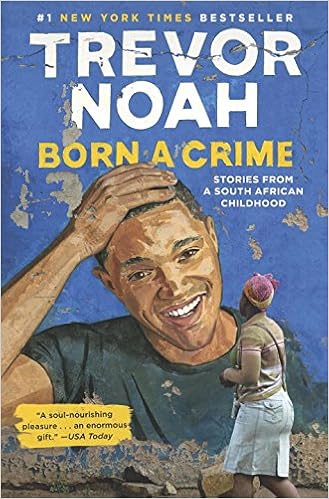
Over Winter Break, I read Trevor Noah's Born a Crime, a memoir of growing up in South Africa. I have to confess that before reading this book, I really wasn't all that interested in Trevor Noah. As far as I was concerned, he was that poor replacement for Jon Stewart on The Daily Show. However, after reading this book, I had a newfound respect for the man and his sense of humor.

Then, my father picked up the book, and said that it was providing him with a really interesting perspective on apartheid. I have to admit, that I didn't know that much about apartheid before reading the book, but I was eager to learn more. The book interestingly begins with the actual law surrounding black and white breeding and intermarriage, showing not only how severe the penalties were for a romance of mixed races, but also showing that those penalties were less severe for white people than for black people.

 What I found very interesting was the fact that Trevor Noah was in fact born a crime. If his mother had shown that she had a half race son, the state would have taken him away and send him to live in an orphanage, because people of different races couldn't live together. And just one example of his mother's ingenuity, she used to have a mixed race friend go walking with them in the park, so she could pretend she was the nanny, and not Trevor's mother. If someone had suspected that the friend wasn't Trevor's mother, they wouldn't be arrested.

Aside from providing an interesting look at apartheid, this book is relatable to anyone who has felt like an outsider, and shows how creative people can be when they are looking to make their way in an unjust world. This book also really highlighted the strength of Noah's mother, who we know from the outset is shot in the face  by her husband, and yet survives, waking up to tell a joke as her first words. 

 Additionally, there are funny anecdotes that show how we in the Western World can think singularly about certain issues. For example, one that really stuck with me, was a friend of his called Hitler. Noah points out that people often named their children for famous figures, and given that black people in South Africa weren't often educated, they didn't really understand why Hitler might be an offensive name, so when Trevor and his friend Hitler went to a Jewish school, well, you can imagine....

And as you can imagine, I read several other books during the school year, but those will wait for another day!

Friday, August 12, 2016

Flowers for that Peculiar Institution

It reminded me a lot of The Invention of Wings.

And given the subject matter, that's unsurprising. Yellow Crocus by


The idea for the story came to me in 1998 while I was with a group of people talking about Tiger Woods. Someone mentioned that he identifies as much as an Asian person as an African-American person. I thought to myself, "Of course he does, his mother is Asian. You form your core identity in relationship to your primary caregivers. It's a basic part of the attachment process."
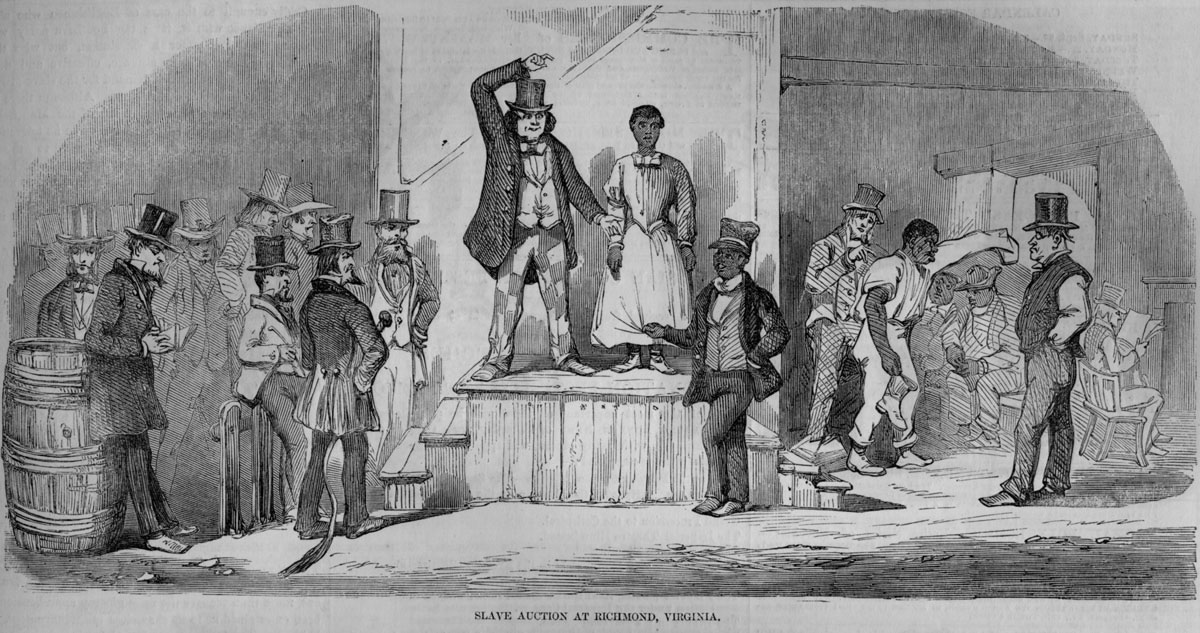
While I still liked The Invention of Wings better (perhaps because I read it first, perhaps because I loved Kidd's The Secret Life of Bees), I think this was also a good book. If nothing else, I think telling so much of the story from Lizabeth's privileged perspective helps people today see how the Scarlett O'Hara fairy tale version of slavery is so wrong. And before anyone tries to say a book about slavery in 2016 is irrelevant, let's all pause for a moment to remember how this past February polls showed that many Trump supporters thought that slaves should not have been freed. Following Lizabeth and Mattie through their journeys really helps show how delusional it is to think that slavery is ever good for people, but also how hard it was for white people to disavow a system that brought so many perks to their lives.

The symbol of the yellow crocus made sense, and if a bit obvious, it was nice that it was a symbol of hope for both women, especially when both were faced with such ugliness. It was revealing to read about runaway slaves in Virginia, especially as Ohio was so relatively close. The details about slavery weren't sugar-coated, but they weren't so terribly brutal that the story was too disturbing for many readers. For example, when Mattie is in the whipping shed, the details about the slaves creating art on the walls with their own blood is graphic enough to leave an impression (seriously, the walls are covered in blood!), but not gory. The immense suffering is understood, but it is not at the forefront: rather, the HUMANS who made the art, who wanted to leave a record that they were there, is still the focus.

And that was perhaps the most refreshing  part of this story. The characters feel real, with real struggles, and not like abolitionist caricatures. There are some vivid details (rape, childbirth, etc.) which may not be appropriate for some high school students, but they are never gratuitous and add to the authenticity of the story.


So, if historical fiction is a genre you like, if you want to learn more about American slavery from a variety of perspectives, or even if you want to learn more about childbirth and rearing before modern medicine (Mattie is a wet nurse/midwife, after all), then this would be a great book for you. It is very well written, accessible, and has, as my students love, a happy ending!

Happy reading!

Tuesday, July 5, 2016

The Holocaust fiction I bought and read the night before Elie Wiesel died...

Heavy summer reading...

So, when I saw a note for 80% off select Kindle books, I had to take advantage of it. I saw Those Who Save Us by Jenna Blum, and the "book jacket" description sounded like it appealed to my interest in historical fiction:
For fifty years, Anna Schlemmer has refused to talk about her life in Germany during World War II. Her daughter, Trudy, was only three when she and her mother were liberated by an American soldier and went to live with him in Minnesota. Trudy's sole evidence of the past is an old photograph: a family portrait showing Anna, Trudy, and a Nazi officer, the Obersturmfuhrer of Buchenwald.

Driven by the guilt of her heritage, Trudy, now a professor of German history, begins investigating the past and finally unearths the dramatic and heartbreaking truth of her mother's life.
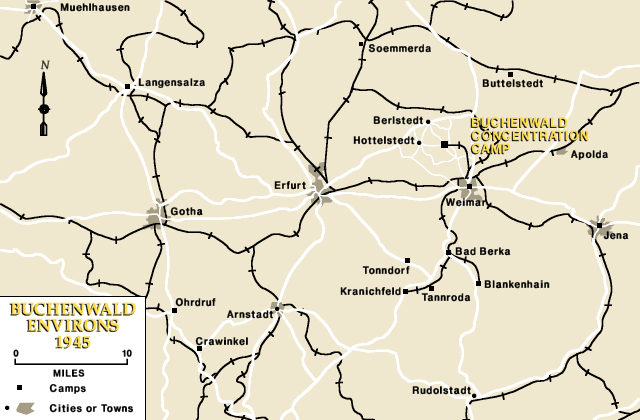
What I didn't realize was just how "real" this book would be. In the first few pages, the reader meets Anna and Trudy at Jack's funeral, and all that is clear is that theirs is a house filled with silence. Then, the book flashes back to Weimar in 1939, as Anna begins seeing Max, a Jewish doctor who helped her save her Nazi father's dog. We learn how Anna falls in love with Max and the lengths she goes to in order to try to save him...and her unborn child.

But when Max is taken to Buchenwald, Anna must balance her desire to save her love and the other innocent men in the prison camp from her need to protect her child. For a while, she makes a "noble" choice, giving up her home to live a life serving the resistance and raising her "tainted" child, but soon the horrors of Buchenwald spill out of the camp...

I'd read a bit about Buchenwald because this was the final stop for Elie Wiesel, whose memoir Night is the subject of study in one of my classes. In many ways, it was a "typical" concentration camp, with forced labor, arbitrary executions, and terrible conditions. However, the book shared these facts (and the fact that this was
one of the sites for Nazi medical experimentation) in a manner that showed just how "everyday" this was for the people who lived around the camp. It was an interesting historical fiction perspective. In the midst of Anna's story (revealed through flashbacks to the past interrupted by Trudy's story in the present), the reader sees not only those who try to help the men in the camps, but also those who perpetrate the atrocities...and those who lived around the camps. When Anna has to choose between death and the advances of the Obersturmfuhrer, the reader sympathizes with her choice.

However, the rest of the town knows little about Anna's choices outside of what they see in public, and Trudy knows nothing about that time except what she remembers in little flashbacks and nightmares about her childhood. When Trudy helps another professor with an interview project hearing from survivors of the war in Germany, we also see how complicated that time was for "everyday" citizens.

What struck me was that while this book was billed as a sort of tragic romance, I found it to be just plain tragic. The details are graphic, and while this is likely authentic, it makes parts of the book hard to stomach. When rape comes up, it is explicitly described, and while this shows how sadistic some people were and how helpless others were, it isn't easy to read. (So be warned--adult content is very much a part of this book!) In a non-spoiler, I appreciated how the author detailed what happened after the camp was liberated and the residents of Wiemar were made to go through the camp. This is a detail that is often left out of history books, and while it seemed just to make people face up to what they did (or didn't do), the author presented this in such a way as to create sympathy for bystanders like Anna.


I don't want to spoil the ending, but I will say that the author does a good job of dangling the promise of a happy ending in front of the reader, and the need to know if and how the realities of Anna's past would be revealed to Trudy kept me going through the tough stuff.

Not exactly light summer fare, but an interesting historical fiction.

Happy Reading!
Thursday, June 23, 2016

So it begins...

Have you ever...

Been so excited to have time to read that you plowed through a book a day? I hope you have!

After beginning summer break by reading several neat reads, I realized it might be worthwhile to share what I am reading so students can see what it means to be part of a "community of readers."

While I am in the process of picking up a book for my summer book club, I wanted to start summer off right by reading some books that have been on my "to read" list for a while.

The first book I picked up from my local library was Wolf Hall by Hilary Mantel. If you know me, you know that in addition to being an English teacher, I was also a social studies teacher for about .4 seconds, so historical fiction is probably my favorite genre. Additionally, I have a growing obsession with the Tudors that may have started when my husband and I traveled to England (and probably also stemming back from seeing Dame Judi Dench playing Elizabeth I in Shakespeare in Love. BTW-she is also one of the best Lady Macbeths...but that is another issue.). 
Judi Dench is an awesome queen.

Anyway, I can't recall how Wolf Hall was recommended to me, but it had been on my Amazon list for years. The premise is that it tells the story of Thomas Cromwell, a man who was the "right hand man" of Cardinal Wolsey and later King Henry VIII. The story is told in third person, though it primarily follows Cromwell's version of events. I found this point of view difficult at times, as I wasn't always clear whose perspective was being shared (it doesn't help that apparently everyone back then was named Thomas).
The Tudors is super R-rated...

While I liked the first half of the story, the second half (once the Cardinal died) was less interesting, but perhaps this is because I know the story of Anne Boleyn so well. (Or maybe I like to think I do...the The Tudors definitely covered it in highly fictitious detail.) However, I think this would have been much more interesting if I knew less about the story of Henry's pursuit of a divorce. What I did like was how strong Anne Boleyn was in the story, and how Thomas Cromwell had to be crafty to both satisfy his king and the entourage that surrounded him once the king set his mind on Anne. I feel like the author really humanized these historical figures, and I especially appreciated the look into the life of Thomas Cromwell, who was one of the most famous to prominently rise from obscure birth to power in England without the benefit of the church.

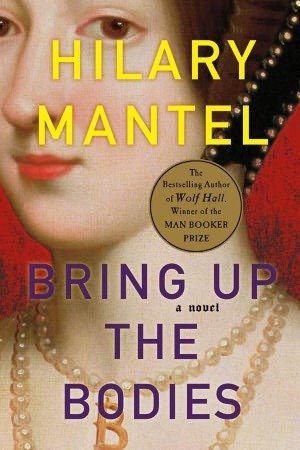
About 600 pages later, I began the sequel Bring up the Bodies, a Man Booker Prize Winner which chronicles Cromwell's life up to the execution of Anne Boleyn (no spoilers here...unless you haven't heard about the six wives of Henry VIII). I probably don't do this the justice that The New Yorker does, but if any students or colleagues are looking for a sweeping historical novel, then this is a good candidate.

I found Bring up the Bodies interesting, as it provided a different perspective of Jane Seymour (Henry's third wife) and Thomas Cromwell's role in the elimination of prominent people who were close to the king. Cromwell becomes a little more jaded I think, and without admitting it totally (at least to himself), he doesn't mind taking down his enemies. In fact, while he admits that the evidence against his enemies isn't credible, he is determined to do what it takes to please the King and keep Henry's favor. I liked seeing the change in Cromwell, who toward the end hints that he can see that he will likely also have a bloody end if he falls out of favor with Henry.


I'll have to wait to read the last book in the trilogy, The Mirror and the Light, as it has not yet been published, and I want to see how self aware Mantel makes Cromwell toward the end of his life.

What I most liked about these novels was the way the story humanized Cromwell. In many historical fictions Cromwell is painted as sort of a villain, so it was interesting to see him painted as a basically good man who does "what he needs to do" in order to survive in this trying time. Hearing about his abusive upbringing and how he had to fight to make his way in the world makes sense: after all, wouldn't someone who was bullied for his whole childhood know how to be a great bully? This is all the more incredible when one considers that he is a "commoner" who grows to boss around the most noble families in England!

In short, if you like lengthy historical fiction, these are for you. (There is also a mini series of this now...) If not, you may like the next set of books I finished...

Happy Reading!