Showing posts with label racism. Show all posts

Monday, July 16, 2018

Summer Book Binging: Important Books about Race


If you are looking to expand your mind this summer...

So far this summer I've read quite a few "important" books, books that I think contribute something important to the current cultural conversations we are having about racism, social media, and social activism.

The book I've most liked so far was Dear Martin by Nic Stone, one of the most recommended books of the year so far (along with The Hate U Give, which is still on my hold list for a at least a few more weeks). The premise is interesting: after an unfortunate run-in with the police, an innocent black teen begins writing letters to Martin Luther King Jr., trying to process the incident and what he can do about the racism that suddenly seems to be all around him. What I like is that this book approaches the topics of police brutality, the inescapability of the media (both the 24 hour mainstream media and social media), and equity through a variety of perspectives (though the narrator is consistently the not-so-subtly-named Justyce). This book felt ripped from the headlines, and it reminded me of the poem "When I Think of Tamir Rice While Driving", which my Honors English II class (who just graduated, *sniffle*) read in 2016.

The perspective in this story has such value for students precisely because it embraces so many perspectives. Because of interactions with white and black boys and girls of privilege through his private school, black boys from Justyce's own segregated and impoverished neighborhood, and even adults like parents and teachers, Justyce shows the reader the complexity of race relations and realities in America, and gives insight to readers who might not otherwise have exposure to these perspectives in a logical and interesting way. The School Library Journal agrees:
 "The length and pace of this well-written story make it a perfect read for reluctant and sophisticated readers alike. The main characters are well balanced and will resonate with teens. However, the voice of African American women is largely absent from the narrative. The characterizations of Justyce’s mother and his girlfriend are one-dimensional compared to some of the other protagonists."
While the SLJ has a valid point that there are some voices underrepresented in this story, I think the value of this story is that it provides a variety of perspectives. (In fact, the SLJ recommendation is that it be read in conjunction with the book below...though it also doesn't provide as much representation to women!)

Based on the recommendation of a student this year, I then read the audiobook All American Boys by Jason Reynolds and Brendan Kiely. I also picked up the e-book, so that I could switch back and forth during nap time and driving in the car/making food (because, you know, that's what moms do the most of during the summer), and I fell in love with the dual-narrators.

This made me think all the way back to the George Zimmerman case of 2013 (in which a man in Florida was acquitted of shooting an unarmed black teenager who had the audacity to be wearing a hooded sweatshirt), as Rashad (voice #1), a JROTC member and artist--who happens to be black-- is beaten into the hospital by a police officer after a white woman trips over him in a convenience store. Now, this book could easily just follow this story, but instead, the book switches to the voice of Quinn, a white teen who is a top basketball player and son of a fallen soldier, who witnesses the beating in his walk to the convenience store (trying to score some beer for a party, btw!). When it is revealed that the officer involved was his best friend's brother, a man who was like a second father to Quinn, Quinn must decide which is stronger: his conscience or his loyalty to his family and white community. This second perspective helps to show the factors that complicate the story, which feels like it should be an open-and-shut case, and how race invariably matters.

One elements I really liked was the way the students acted to make a difference, and the teens had to make difficult choices. The bold act of civil disobedience (or vandalism, if you look at it from another perspective) of spray-painting "Rashad is absent again today" leads to a twitter movement reminiscent of #blacklivesmatter that shows the power of social media AND activists for organizing. I also liked the "uncertainty" of the ending; I know that this frustrated the student who recommended the book, but I think given the real-life lack of resolution surrounding these situations, the way the story ended (no spoilers) was appropriate. There were several twists in the story that complicated matters, preventing the story from being an oh-so-obvious black vs. white conflict, and making it more of a nuanced examination of society--and what teenagers today can do to shape the world around them. Although some have criticized the quality of the writing, I appreciated the authenticity of the voices, which felt all the more authentic because of the wonderful job the audiobook readers did with the two voices; when I switched to the e-book, it wasn't quite as captivating, but the plot of the story was a winner.
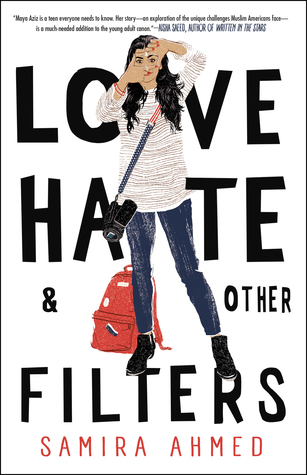
Pernille Ripp led me to my next book, Love, Hate, and Other Filters by Samira Ahmed, which was chosen as a Global Read Aloud book for YA. This reminded me of another book I read, When Dimple Met Rishi, which looks at the struggles of a second-generation immigrant girl as she tries to live her American dream and please her parents, who still have old-world expectations.

This book followed Maya Aziz, an Indian-American Muslim teen who just wants to make movies. The story begins with her at a big Indian wedding, trying to avoid her mother's match-making efforts by taking wedding video.  Maya is in many ways a typical, sarcastic teen girl who feels insecure, wants to date, and wants to strike out on her own. She shares, “One thing I’ve learned: people love a camera, and when I’m filming, they see it, not me, so whenever I need to, I can quietly disappear behind my trusty shield.” We quickly learn that she secretly applied to the NYU film program--and got in--and now that it is May and the deadline for payment is looming, she has to find a way to tell/convince her parents, who want her to stay local so they can watch over her, to let her go. How will she convince her well-meaning and practical dentist parents to let her live a life more like her graphic designer aunt?

The book could easily just be about this fairly common teen issue (how do I get my parents to accept my choices whilst not disappointing them), but from the beginning there is also this other weird voice. At the end of each chapter, we see a short snippet from someone else, a person who remains unnamed but who is obviously not our narrator. About 1/3 of the way through the book, a horrific event occurs that connects the snippets to Maya and turns her world upside down. BTW--the fact that terrorism and xenophobia become issues here, in a book about a Muslim teen, is not unexpected. It could be cliche--but it feels right, likely because of the care the author took to establish the narrator's voice and the cast of minor characters surrounding her, who would otherwise be one-dimensional (i.e. the supportive friend, the racist, the rebel, the mean girls, etc.). For example, Maya's friend Kareem adds levity and perspective  outside of Maya's small town; while his voice isn't especially memorable, it provides ample opportunity for Ahmed to showcase Maya's wit:
“I wish getting a Big Mac was still my biggest concern when I pass through customs these days,” Kareem mutters. “What is it, fries?” I joke. “More like hoping I don’t get chosen for the special Secondary Security Screening lottery.” 
This book is important in that the protagonist is not a white Christian character, but a character who is American all the same. This fiction helps normalize Maya, showing how a "brown, Muslim girl" is just a girl, and defying many stereotypes whilest not pretending that issues surrounding immigration and cultural incongruities don't exist. It also asks important questions about how we decide when to make a stand, when to take action because it is the right thing to do, and how much personal risk we are willing to assume to follow our hearts. I also like how the media is used sparingly in this story, showing how it both hurts and helps our understandings of "others"--especially in light of the current debates surrounding immigration at the Southern border, which came to a head when video of children crying out for their parents led to public outcry and a reversal of family separation policy.
This also seems relevant in light of the conflicts over the "Muslim Ban" that spent over a year in the courts. This book provides another look at how our society handles immigration and religious freedom without stereotyping or demonizing.

Heady stuff, I know, but really wonderful reads!

Saturday, July 14, 2018

Summer Book Bingeing Part I: Weird books

Averaging a book a day isn't normal...and neither are these books!

If books were chocolate cake, I'd weigh about 1000 pounds by now, and with all my reading, I've been a bit lax about posting. But given all I've read, I think I'm going to separate my posts by type...and see what arises!

I guess I've been really inspired by following another blogger Pernille Ripp. She is a passionate reader who not only has great advice for teachers, but also great book recommendations based on the reading she and her students do. Given many of the books are YA, which tend to be a bit shorter than other books, I guess it is no surprise that at this point I've read about 30 books this summer...with more to come!

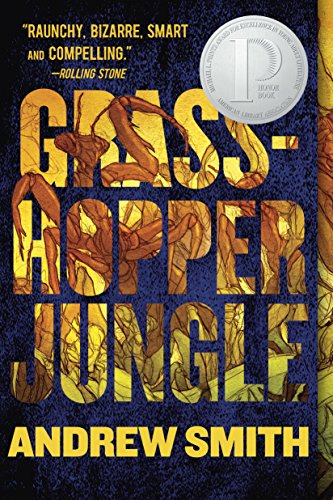
I think the book that most surprised me so far this summer was Grasshopper Jungle, which was an award-winning book mentioned on Ripp's blog as something the boys in her class loved. It was WEIRD. Now, keep in mind, I didn't bother reading the cover, and I should have, because the second word in the front cover blurb is "bizarre". I was expecting a basic coming of age story...not something science fictionish, but then again, I loved the relationships between the main characters, the honest look at love and sex, and, of course, the banter. The dialogue was so honest, crisp, and funny that I could entirely imagine this as a movie (though because of the "raunchy" element, I'm not sure it would ever pass the PG-13 test for most teen movies...and the special effects would have to be off the charts). [BTW--I Googled it, and apparently they ARE making a movie out of this!]

I also think that this is a book not just for boys, but for anyone who appreciates quirky things, like second-hand stores and adventures to climb up on a roof to retrieve stolen shoes and skateboards...and quirkier things, like genetically altered killer mutants. I don't want to spoil the ending, but I can honestly say I didn't quite expect it--or maybe I didn't want to. While it got a bit cliche toward the end (I could imagine Will Smith and Jeff Goldbloom in Independence Day as the boys bantered and rode together in their car), I appreciated the authenticity of the narrator, who was lovably immature and just the right amount of confused to strike me as a typical--and anything but typical--teenage boy.

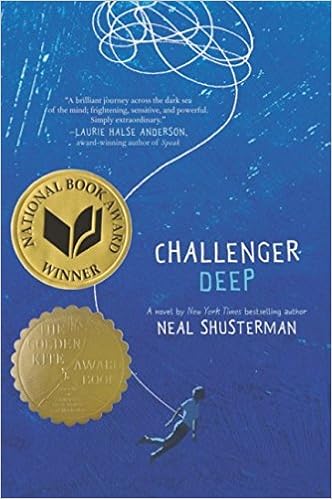
Speaking of teen boy narrators, I really liked Challenger Deep by award-winning author Neal Shusterman. I had no idea what to expect from this book, but I know of the author, so when this audiobook came up as available on my library app, I downloaded first and asked questions later.

I'll admit that it was a bit hard to follow at first, but that was kind of the point, as the narrator isn't fully aware of what is going on. However, through flashbacks, we quickly catch up to what led to Caden's present day problems. In a sense, the story is told in two settings: the real word and the world of a ship at sea, headed for the Marianas Trench and the deepest point on earth. The story vacillates between these settings, and I loved the way everything begins to come together and make sense for the reader as it begins to make sense for the narrator. I don't want to spoil what happens, but you can probably guess that something isn't mentally quite right for the narrator, and so this book provides a powerful approximation of mental illness. As Laurie Halse Anderson (author of Speak) said, this book is "a brilliant journey across the dark sea of the mind."

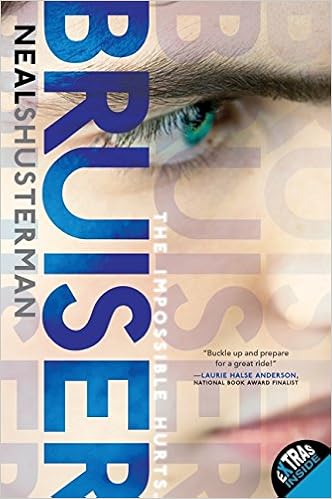
Earlier in the year I read another of Shusterman's books Bruiser, which is told through the POV of
Tennyson and Bronte, twins in a family that is falling apart because of their parents' infidelity, and the POV of Brewster, whom the student body call Bruiser, on account of his enormity. The teens seem to be worlds apart, with the twins living a middle class existence with professor parents, while Bruiser lives in a run-down house with his drunk uncle and accident-prone little brother after his mother's death. However, when they make an effort to get to know each other, the teens are surprised by what they find (I won't spoil the twist). Like Challenger Deep, this book also looked at big questions through a somewhat fantastical lens, questions such as "To what extent will be put ourselves through pain for those we love?" Although the end was a bit disappointing, I loved the premise, and how all of the characters had to explore questions of love, selfishness, and selflessness. I also liked that the surreal elements of the book didn't feel far-fetched, making the premise less of a distraction and more of a means to explore these very human questions and issues that we deal with daily in our friendships, families, and romantic relationships.

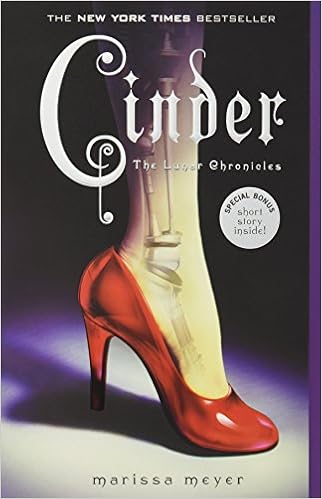
I also read several obviously fantasy/sci-fi books. One is a new classic, Cinder by Marissa Meyer, which is a futuristic take on the classic Cinderalla story that several former students have read and loved. The premise that Cinder is a cyborg who is treated as less than human by her stepmother, stepsister (the other stepsister is nice), and society raises questions about how we treat "others" today: what makes us view people as less-than-human? What about race and class really matters? This is exacerbated when she meets the teen idol prince of the realm (Earth is now made of big territories, and this one seems to be formed out of southeast Asia), who hears of Cinder's skill as a mechanic and enlists her help with an andriod. Because the prince doesn't realize Cinder is a cyborg, we get to indulge in these questions of who has value--and wonder if the prince will cast her aside if he realizes what she really is.

Also adding to the value of this book is the plague that is ravaging
the world. The plague is obviously reminiscent of the Bubonic plague of the middle ages, with its deadly, skin-color-changing lesions, mysterious origins, and hard-to-predict path through the population. As cyborgs are used as guinea-pigs to look for a cure, it becomes clear that this book is looking not at the future, but at the present, and what extent we will go to if such a pandemic were to arise today. (And there always seems to be such a threat...whether we are talking ebola in Africa or swine flu.) While the addition of the mind-controlling moon people (called Lunars) seems weird at first, the author brings together the many threads of this story into a unique take on the Cinderella story that asks a lot of important questions...but doesn't provide as many answers (as you will have to read parts 2-4 of the Lunar Chronicles to find out what happens next). I liked the empowered Cinderella, and I'm a sucker for a new take on an old story, especially when it avoids plagiarism and uses the old story to provide enough predictability to add original plot, but the audiobook didn't have as much character as I would have liked. Perhaps the reader was afraid of being too melodramatic, but I think that in a story like this, a little drama is to be expected!

Reimagining is also present in one of the best YA books of 2018 (so far) Dread Nation by Justina Ireland. Written in the tradition of Pride and Prejudice and Zombies, which imagines what the classic love story of Elizabeth Bennett and Mr. Darcy would have looked like if zombies were involved, this book imagines what would have happened had the dead risen during the Civil War. However this is a holy original story and utilizes an alternate timeline, very much like the book and Amazon series The Man in the High Castle, what would have happened had the Axis powers won World War II.
The story is told from the perspective of Jane, who is it a combat school studying to be a lady's attendant, a personal bodyguard for rich white women against the undead. As a woman of color, Jane was taken from her family as a teenager (which is the law) to train to fight the undead; while the North still won the war, the reconstruction never seemed to have taken hold in the South in this reality, so people of color (Native Americans included) are treated as second-class citizens...if not as slaves in practice (just not in name).

Fortunately for Jane (kind of....there's definite sarcasm in this, and in Jane's voice, which I love), she ends up at the best combat school for ladies, which should ensure that she receives a well-paying post should her family farm have fallen to the undead in her absence. And Jane is at the top of her class...in more ways than one. You see, her mother was the wife of a Southern Major, and so Jane is not only raised as part of a plantation family, but also as a "bastard" of some black man. (Which almost gets her killed many times.) While this means that she is treated better than much of the help on the farm--who are treated very well, given the standards of the day--she is not treated well by society. In fact, her mother hides the fact that Jane is her child from society and her husband, who was away at the time of her birth. Jane uses these terrible prejudices to her advantage throughout the story, being able to trick those who would stand in her way by feigning ignorance and illiteracy, and often this helps her during her trials.

I loved this story, which I don't want to spoil, which is part mystery, part action-adventure, part historical-fiction, and which is incredibly powerful today. I loved the inclusion of her enemy-turned friend Katherine, who could pass as white if people didn't know better, as a direct way to explore the ridiculousness of the prejudices that guide post-Civil war society. And this book isn't just about race--it's also, beneath the surface, very much about class, and how the rich make the rules (if they are white, of course). Behind the very engaging story of Jane's quest to help her friend find out what happened to his sister are the simmering tensions among the rich of Baltimore and their "help", the scientists and those who would abuse their innovations, and those who believe in equality vs. those who believe in "survival" (which seems to be a euphemism for racists, like the white power movement). And all of this is just the beginning!

There are so many twists and turns in this story that I hesitate to provide too much plot, but I loved that each time I thought I knew where the story would go next, I found a new surprise (that in retrospect completely made sense with prior information). The ending, which I won't give away, definitely leaves room for other books in the series, and from what I can see on Goodreads, there appear to be more books in the works! If you like The Walking Dead and/or historical fiction or following the #blacklivesmatter movement, you will love this book. (And if you don't like those things, you might still like following the adventures of this Marvel-esque superhero woman who kicks booty in so many ways!)
 
I have so many more books to share, some of which could fall under this heading, but I will save those for a special fantasy post :)
 
Happy Reading!

Friday, August 12, 2016

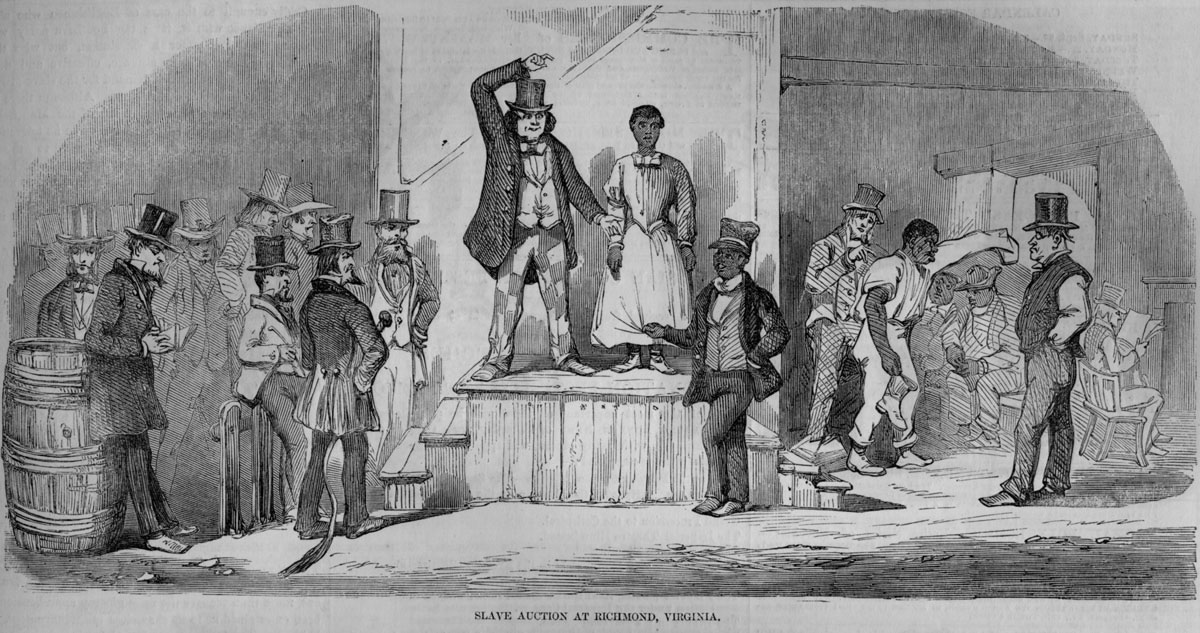
Flowers for that Peculiar Institution

It reminded me a lot of The Invention of Wings.

And given the subject matter, that's unsurprising. Yellow Crocus by


The idea for the story came to me in 1998 while I was with a group of people talking about Tiger Woods. Someone mentioned that he identifies as much as an Asian person as an African-American person. I thought to myself, "Of course he does, his mother is Asian. You form your core identity in relationship to your primary caregivers. It's a basic part of the attachment process."
While I still liked The Invention of Wings better (perhaps because I read it first, perhaps because I loved Kidd's The Secret Life of Bees), I think this was also a good book. If nothing else, I think telling so much of the story from Lizabeth's privileged perspective helps people today see how the Scarlett O'Hara fairy tale version of slavery is so wrong. And before anyone tries to say a book about slavery in 2016 is irrelevant, let's all pause for a moment to remember how this past February polls showed that many Trump supporters thought that slaves should not have been freed. Following Lizabeth and Mattie through their journeys really helps show how delusional it is to think that slavery is ever good for people, but also how hard it was for white people to disavow a system that brought so many perks to their lives.

The symbol of the yellow crocus made sense, and if a bit obvious, it was nice that it was a symbol of hope for both women, especially when both were faced with such ugliness. It was revealing to read about runaway slaves in Virginia, especially as Ohio was so relatively close. The details about slavery weren't sugar-coated, but they weren't so terribly brutal that the story was too disturbing for many readers. For example, when Mattie is in the whipping shed, the details about the slaves creating art on the walls with their own blood is graphic enough to leave an impression (seriously, the walls are covered in blood!), but not gory. The immense suffering is understood, but it is not at the forefront: rather, the HUMANS who made the art, who wanted to leave a record that they were there, is still the focus.

And that was perhaps the most refreshing  part of this story. The characters feel real, with real struggles, and not like abolitionist caricatures. There are some vivid details (rape, childbirth, etc.) which may not be appropriate for some high school students, but they are never gratuitous and add to the authenticity of the story.


So, if historical fiction is a genre you like, if you want to learn more about American slavery from a variety of perspectives, or even if you want to learn more about childbirth and rearing before modern medicine (Mattie is a wet nurse/midwife, after all), then this would be a great book for you. It is very well written, accessible, and has, as my students love, a happy ending!

Happy reading!

Tuesday, August 9, 2016

Have Mercy!

What sold me was a review that said it would be a great companion to To Kill a Mockingbird...

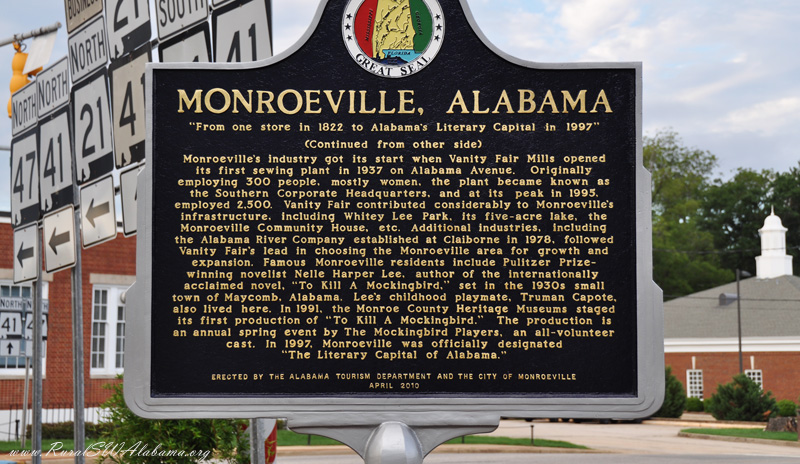
I didn't realize that the majority of Just Mercy took place in Monroeville, Alabama, where Harper Lee was raised, or that this too involved the story of a black man wrongfully accused and convicted of a crime.


Unlike Atticus Finch, however, the protagonist of this story is the author, a black lawyer who is keenly aware of how unjust the system as. Race is thus always an element of this story, even when the people Stevenson defends aren't black, as he encounters his own challenges as a black attorney in Alabama (and other places across America).

With that said, this was not as "heavy" a book as it could have been. I really enjoyed reading it (couldn't put it down), and couldn't wait to find out what happened in the "main" story of his defense of Walter McMillian, a black man who had two strikes against him: success and a white girlfriend. When the local sheriff couldn't find a suspect for the murder of a beloved young white girl, he jumped on the chance to arrest McMillian once someone pointed the finger in his direction. At least that is how the book tells it...and in this memoir, Stevenson shows how much evidence had to be ignored to try and convict McMillian. (I don't think I'm spoiling anything by sharing one shocking example: his entire family was with him at the time of the murder! But their alibis didn't count when stacked against the testimony of a white criminal looking to make a deal!)

And this was all happening in Harper Lee's hometown, a place that celebrated the "justice" seen in the movie by using its courthouse to lure English majors and lawyers to spend tourism money. The irony is not lost upon Stevenson, who sees that the racism, classism, and even sexism portrayed in the novel is still alive and well in the modern day despite Harper Lee's indictment of the system.

As much as I wanted to know what happened, I liked how the author interrupted this story to share some of the other cases he worked on. At first I thought it was a poor conceit, but as he reviewed these other cases, it became clear he was showing, through example, just how unfair the system is to the poor, the too-young-to-know-better, the mentally ill, young mothers, and people of color. I read this book on my Kindle app, and found myself highlighting paragraphs that either shocked me (the statistics about how much we spend on prison vs. education weren't new to me, but were still shocking) or touched me.

Thus, when we returned to McMillian's story, the unfairness of it all was less shocking. His story--while an egregious example of injustice--was then framed as just ONE example of all the injustices occurring in our nation today. It also showed how "political" the law is, with district attorneys, judges, and politicians afraid to put what is "right" before what is popular for the sake of votes, money, and ease.

The story is also incredibly inspiring. The author came from humble beginnings, attended Harvard law, started a nonprofit practice to defend the defenseless (at a time when money was being cut to provide people with a defense....kind of like today!), and ended up winning all sorts of awards in addition to successfully arguing in front of the Supreme Court!

Maybe I'm the only person who would pick this as a beach read, but I found this to be well-paced, and interesting on both an academic and "popcorn" level. And, as has been the trend, apparently I picked a book that is being made into a movie! (Check out the handsome actor who will play young Bryan!)
Michael B. Jordan, who will star  in the movie, release date TBD. 
While there are definitely disturbing facts in the book, nothing is so graphic that I would say this is not appropriate for high school. In fact, I think a young adult audience would connect with Stevenson right out of college and appreciate the look "behind the scenes" of our American system, which teenagers are already skeptical of. Oh, and I think adults would really like it too :)

Happy reading!

Tuesday, June 28, 2016

Good Fortune

Beautifully written and captivating!

That would be my quick assessment of Daughter of Fortune by Isabel Allende. This was a book on our school summer reading list years ago, and the cover and flap seemed intriguing enough for me to give it a chance. Plus, I really wanted to read a book from a different country!

Let me begin by saying that I loved the way the author foreshadowed what was to come throughout the beginning, dropping hints about Eliza's journey to follow her love, which made me wait patiently during the seemingly irrelevant details of her adopted mother's courtship with Jacob Todd. And while I say irrelevant, I surely don't mean boring. The details never seem overly done (for all those students out there who couldn't stand The Scarlet Letter), but provide enough clarity to envision these characters while still making them your own.

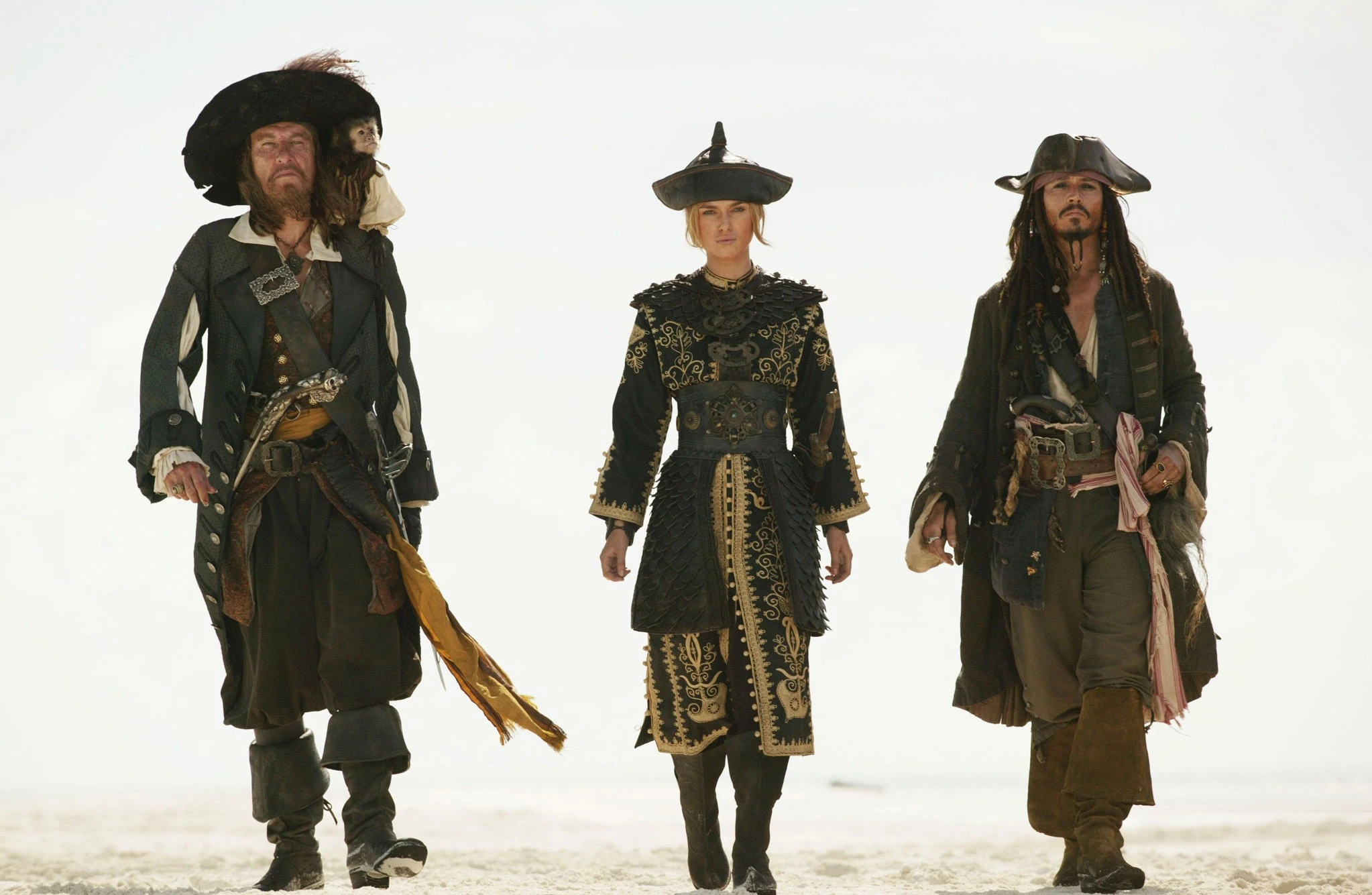
Set in Chile in the early 1800s, the novel has an air of historical fiction, but it is first and foremost a "present" story, critiquing the social conventions that seem to be of the past, but which upon reflection I see as very much alive today. (I didn't realize how many immigrants came to Chile from all over the world!) And if you don't care for historical fiction, then you will be happy to know that I think this tale is first and foremost an adventure story, with a little romance sprinkled in along the way (though not that sappy Nicholas Sparks stuff). If I had to give a similar movie, I'd say it reminded me a bit of The Princess Bride mixed with Django Unchained (but a lot less gory) and Shakespeare in Love. Or maybe the original Pirates of the Caribbean (but without the pirate curse--sorry, no magic in this one!).

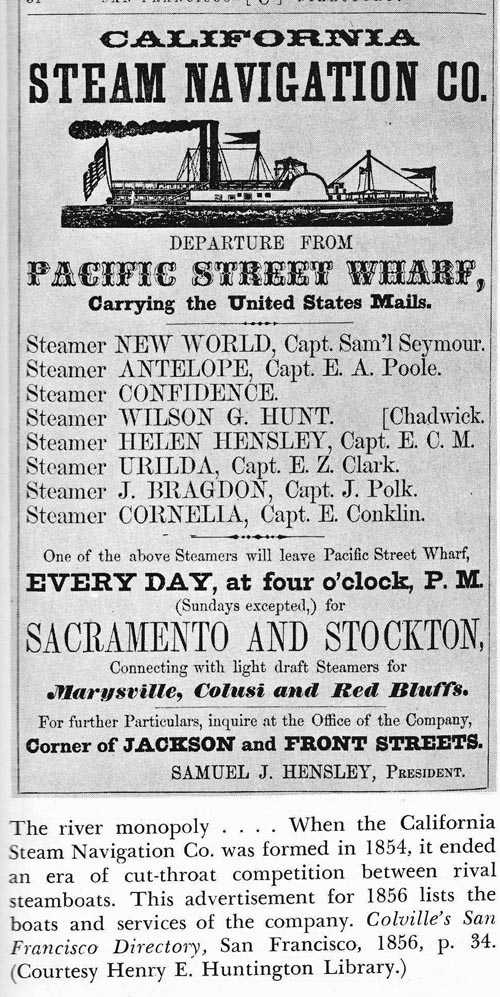
I don't really know a lot about sailing (or steamships), but the author really painted a picture of the conditions on board these vessels. I also had mainly read about the Yukon gold rush, so I hadn't read a lot about the California rush. It was interesting to hear about the conditions of the people who went to California (either voluntarily or not so voluntarily), and I loved the way the heroine became involved in the many aspects of life in California. I was also interested in how the author tackled prostitution from many angles (no pun intended), showing those who embraced the life voluntarily and those who were victims of sexual slavery. (Disclaimer: Although there is a LOT of discussion of prostitution and sex, none of it was so graphic that I wouldn't share the book with my mother.)

Isabel Allende
I loved the way the author kept me in suspense...as soon as I thought I was ready for the story to continue, she would jump backward in time and give us a character's back story. Rather than being infuriated at the hold-up, I found myself riveted, as the complexity this created not only gave me a deeper appreciation of the character's actions, but it also tied back to previous events in such a way that the "threads" that seemed so loose then pulled tighter, revealing an incredibly well-woven story.

I won't spoil the ending, but I will say that I was both disappointed and pleased. I'm not sure I would have been satisfied with any other ending, but I will say I was left hungry for more. Consequently, I think I will be looking for other books by this author in the future.

As I looked to see if there was a movie of this (since that has been the trend in the books I've selected so far), I found this great student-created trailer for the book. I can tell it was using the same software a few intrepid students of mine used for their Modern Macbeth trailer this year, and I think the creators of this trailer did a great job.
Happy reading!